When Is the Best Time to Clean a Driveway in Big Lake, MN?
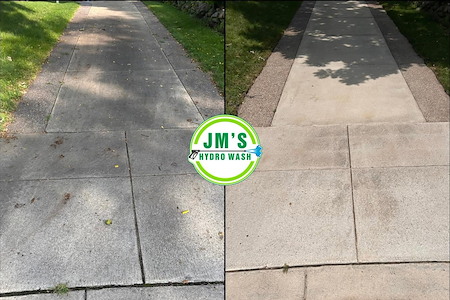
In Big Lake, MN, timing is everything for driveway cleaning. Long winters, road salt, and freeze‑thaw cycles can work grime deep into concrete and asphalt. If you want a clean, safe, and bright surface that lasts, plan your professional driveway cleaning around Minnesota’s seasonal rhythms. Below, you’ll find a practical guide to the best months, what local weather means for cleaning windows, and how to protect your driveway from salt and stains.
Why Timing Matters for Driveway Cleaning in Minnesota
Our winters are tough on driveways. Sand and salt track onto the surface, then melting and refreezing push contaminants deeper into pores. When temperatures finally rise, those deposits can etch, dull, and spot the surface. A well‑timed cleaning removes residue before it bonds and helps prevent scaling or spalling.
Moisture and temperature also affect how cleaning solutions work and how quickly a driveway dries. Clean too cold and water lingers, which slows results. Clean too hot and detergents can flash dry before they lift soils. Booking in the right season sets the stage for a safer, longer‑lasting clean.
The Best Seasons for Driveway Cleaning in Big Lake
Early Spring (Late March to May)
As snowbanks shrink and streets get swept, spring is prime time to clear away salt, sand, and winter grime. Temperatures rise into comfortable ranges, which helps detergents do their job and lets surfaces dry fully. You’ll see the biggest visual jump in spring because you’re removing months of buildup in one go. It also gets your home looking fresh for the outdoor season near the lakes and along Highway 10.
Early Summer (June)
June offers stable weather and long daylight. Pollen and early algae growth are common, and a thorough wash clears slippery films before traffic grinds them in. If you hosted graduation parties or started weekend boat trips, June is an easy window to restore curb appeal after extra foot traffic.
Early Fall (September to October)
Fall cleaning resets the surface before winter returns. Removing organic stains and driveway drips now helps reduce slick spots when freeze‑thaw begins. A clean surface also allows winter maintenance products to work more evenly. If you plan to apply a protective treatment in the future, fall cleaning helps prep the surface once temperatures are steady.
Winter Considerations (November to February)
Outdoor cleaning in winter is limited, yet not impossible during mild stretches. The main goal is safety and effectiveness. If daytime highs rise enough to allow water to drain and dry, spot cleaning can reduce heavy salt tracking near garage aprons. Your best full‑wash results still come in spring, but winter check‑ins help manage buildup around busy driveways.
Local insight: For the cleanest results, aim for a 24‑hour window with temperatures above the mid‑40s and light wind. This helps water evaporate and keeps airborne grit from resettling on your driveway right after service.
Local Weather Patterns That Affect Cleaning Windows
In Sherburne County, shoulder seasons swing quickly. A warm week in April can be followed by a chilly snap. That’s why flexible scheduling matters. Look for stretches with moderate temperatures and low rain chances. Humidity also plays a role; drier air speeds evaporation, which helps prevent spotting and tracks.
Sun angle changes how detergents behave, especially on darker asphalt. Morning or late‑afternoon appointments often deliver steadier results because direct midday sun can dry solutions too fast. Your technician will time dwell periods so cleaners lift grime without over‑drying.
Concrete Versus Asphalt: What Changes the Schedule
Concrete and asphalt react differently to salt and temperature. Concrete is porous and can take on white salt residue and rust‑like marks from vehicles. Asphalt can show greasy films and pale streaks where salt gathered. Both benefit from a seasonal cleaning rhythm, but concrete often shows winter damage more visibly.
On concrete, the goal is to remove salt and contaminants early in spring to reduce surface scaling. On asphalt, the aim is to lift oily films before summer heat makes them tacky. A professional approach adjusts water pressure, temperature, and detergents to match the material and the season.
Signs Your Driveway Needs Cleaning Now
- White or chalky salt residue that returns after a quick rinse
- Dark tire arcs or drips where vehicles park or idle
- Greenish or black film in shaded areas that stay damp
- Rust‑like spots from leaky parts or stored equipment
- Sand lines along the driveway edges after storms
If one or more of these signs show up, timing a cleaning soon prevents the stains from setting in deeper. It also improves safety by reducing slick films on cooler mornings.
How Professional Pressure Washing Protects Your Driveway
Pressure washing is more than blasting water. The right combination of detergents, controlled pressure, and surface‑safe techniques lifts grime evenly without etching. That’s especially important for driveways that faced repeated plowing and salt. A trained team balances heat and flow so pores release buildup while the surface stays protected.
When you schedule with JM's Hydro Wash, you get equipment sized for residential surfaces and a process tuned for Minnesota weather. If you also have patios or walkways that need attention, bundling your driveway with broader pressure washing services can streamline the visit and deliver a uniform look across your property.
Salt Stain Removal and Stubborn Spots
Winter salt can leave white halos and rough patches on concrete. These spots are stubborn because salt crystals work below the surface. Targeted cleaning techniques break that bond so residue rinses clean. Oil and rust are different; they need detergents that lift petroleum and metal discoloration without harming the driveway. Avoid harsh acids or over‑the‑counter mixes on your own, since they can set stains or strip binders.
Professional cleaning restores color and clarity, then rinses thoroughly so salt crystals don’t linger. If you park outdoors, a spring and a fall cleaning cycle helps minimize seasonal buildup and keeps your driveway bright through boating, school, and holiday seasons.
Seasonal Planner: When To Book in Big Lake
Every home and driveway is a little different, but these windows work well for most Big Lake homeowners:
- Late March to May: Deep clean after plows and road salt, especially near the garage apron.
- June: Clear pollen film and early algae growth before summer traffic sets it in.
- September to October: Freshen up before freeze‑thaw and snow storage on the driveway.
If your home sits near shaded tree lines or close to the water, you may see green film sooner. Homes along busier routes can collect more grit. Booking slightly earlier in spring or adding a quick fall rinse can keep those problem areas under control.
What To Expect On Cleaning Day
Your crew will block off the work area, pre‑treat stains, and choose a method suited to your surface. On concrete, that often means a controlled cleaning head for even coverage, followed by focused work on tough spots. On asphalt, the approach shifts to protect the binder and lift oily films. Rinsing is thorough so detergents don’t linger in joints or seams.
Most driveways are usable soon after service. Dry times depend on sun, wind, and shade. Keep vehicles off the surface until it’s fully dry so you don’t track fresh grit across the clean area. Pets and kids should avoid puddles until the final rinse is complete.
Big Lake Context: Life, Weather, and Curb Appeal
Warm weekends bring extra driveway traffic from lake days, yard projects, and drop‑ins. That traffic presses grit into the surface and can turn small drips into dark arcs over time. A smart schedule clears stains before special events and around your family’s calendar. If you commute along Highway 10 or live near the water, routine cleanings help manage the extra grime and moisture your driveway sees.
Want to explore more seasonal care ideas? Browse practical pressure washing tips tailored to Minnesota homes. You’ll see how timing, weather, and surface type work together for durable, consistent results without guesswork.
Protecting Your Investment Over Time
Think of driveway cleaning like routine maintenance. The cost of waiting is hidden in premature wear, deep stains, and the risk of slick spots. A clean surface also makes snow removal smoother in winter because your shovel or snowblower glides over fewer raised deposits. Keeping grit and salt off the surface helps reduce micro‑damage that grows with each freeze‑thaw cycle.
Many Big Lake homeowners choose a spring deep clean and a fall refresh. That rhythm keeps contaminants from building up and maintains a welcoming entry for guests and deliveries. If your driveway has heavy shade or frequent leaks, a customized plan can target those zones more often.
Ready When You Are: Scheduling With JM's Hydro Wash
When you’re set to brighten your curb appeal, choose a slot that lines up with your calendar and local weather. For results you can see in a single visit, schedule driveway pressure washing once the forecast shows a steady, dry window. If you prefer an all‑in‑one visit that includes walkways or patios, our team can coordinate those surfaces so your whole entryway looks consistent.
For a trusted partner in driveway cleaning in Big Lake, MN, contact JM's Hydro Wash at 612-516-3079. We’ll help you pick the right season, the right day, and the right approach for your home so your driveway looks fresh and stays that way through the Minnesota seasons.